

Toddlers are little bundles of energy, but sometimes that energy needs a little boost. Enter iron supplements, the unsung heroes in the quest for healthy growth and development. While your toddler might prefer a plate of spaghetti over a spoonful of iron, ensuring they get enough of this essential mineral can make all the difference in their vitality and mood.
Importance Of Iron For Toddlers
Iron plays a vital role in a toddler’s growth and development. Adequate iron intake supports energy levels and cognitive function, making it essential for a toddler’s overall well-being.
Role Of Iron In Growth And Development
Iron contributes significantly to the development of red blood cells, which transport oxygen throughout the body. Healthy oxygen levels are crucial for brain development and physical activity. Iron also supports the immune system, helping toddlers fend off infections. Enhanced focus and attention result from sufficient iron, aiding in learning and social interactions. Regular intake leads to optimal growth rates and supports muscle development during early childhood.
Symptoms Of Iron Deficiency
Recognizing iron deficiency is important for maintaining a toddler’s health. Symptoms include fatigue, irritability, and a lack of interest in activities. Pale skin and rapid heartbeat can occur, indicating low iron levels. Frequent infections may arise as immune function weakens without enough iron. It’s essential to monitor iron intake as toddlers often exhibit these symptoms, impacting their daily lives. Nutritional assessments can help identify deficiencies and guide parents on necessary dietary adjustments.
Types Of Iron Supplements For Toddlers
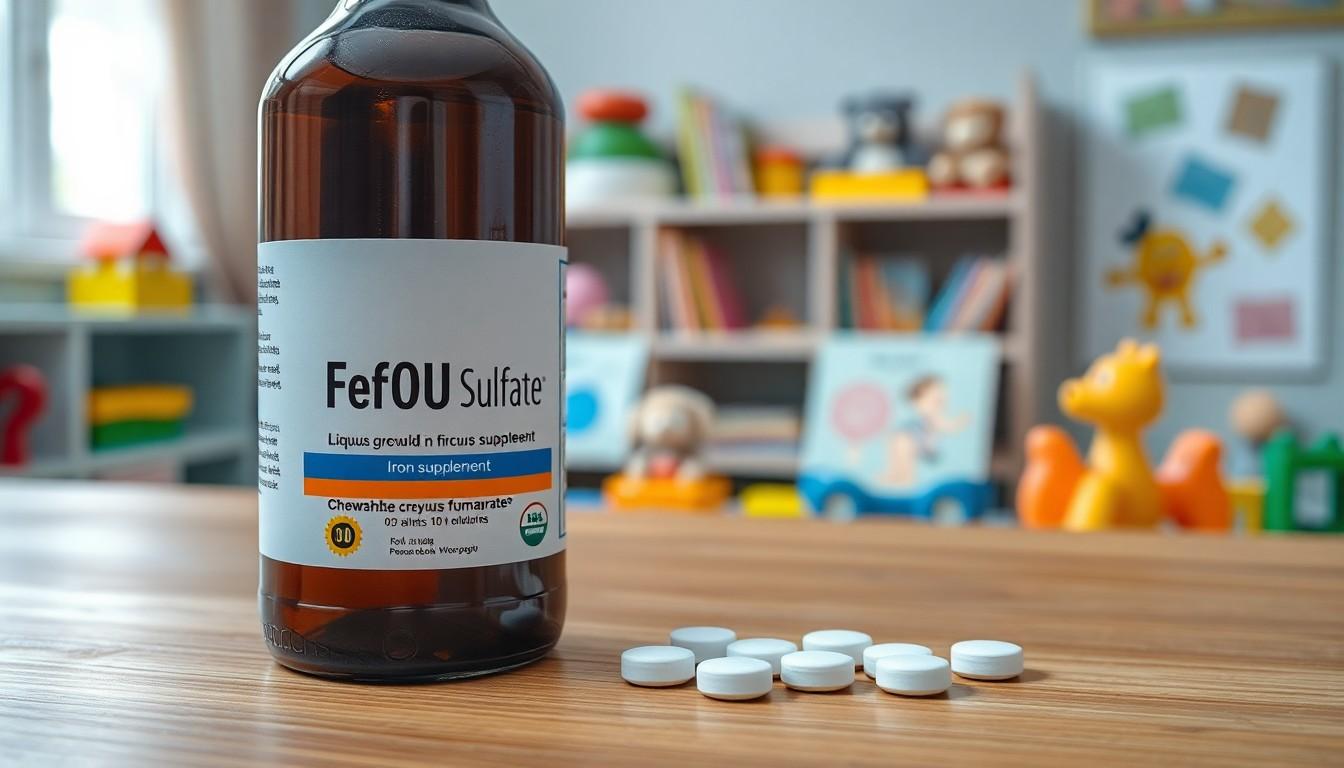
Different types of iron supplements exist for toddlers, catering to their specific needs and preferences. Parents can choose from various formulations to ensure proper iron intake.
Ferrous Sulfate
Ferrous sulfate remains the most common iron supplement for toddlers. This form contains about 20 percent elemental iron, making it effective in addressing deficiencies. Typically, it comes in liquid or tablet form, providing flexibility based on a child’s preference. Parents appreciate its low cost and widespread availability. Dosages generally depend on age and iron deficiency severity, so consulting a pediatrician for recommendations is essential.
Ferrous Fumarate
Ferrous fumarate serves as another viable option for toddlers requiring iron supplementation. This form consists of approximately 33 percent elemental iron, which allows for lower volume dosing. Many parents find it easier to administer than ferrous sulfate due to its less metallic taste. Ferrous fumarate also comes in both liquid and tablet forms, accommodating toddlers’ varying preferences. Pediatricians often recommend this supplement for its good absorption rates, contributing effectively to overall iron levels.
Liquid vs. Tablet Form
Liquid and tablet forms of iron supplements each have their benefits for toddlers. Liquid formulations tend to be easier for younger children to swallow and often come in flavored varieties that increase palatability. Tablets, on the other hand, may appeal to older toddlers who are more receptive to swallowing pills. Parents might prioritize liquid supplements for very young children, while older toddlers might progress to tablets as they develop stronger swallowing abilities. Ultimately, choosing between these forms should reflect the child’s comfort and ability to consume the supplement effectively.
Benefits Of Iron Supplements
Iron supplements offer several crucial benefits for toddlers, supporting their overall health and development. Adequate iron intake is essential for energy and vitality.
Improved Energy Levels
Increased energy levels are one key advantage of iron supplements. Iron facilitates oxygen transport in the bloodstream, promoting stamina and reducing fatigue. With sufficient iron, toddlers exhibit enhanced activity levels and greater endurance during play. Parents often notice their children are more lively and engaged when receiving proper iron. Supplementing with iron helps prevent anemia-related issues that can leave toddlers feeling tired and irritable. Optimal energy levels contribute to overall well-being and enable toddlers to explore their surroundings energetically.
Enhanced Cognitive Function
Enhanced cognitive function represents another significant benefit of iron supplementation. Iron plays a vital role in brain development, influencing memory, attention, and learning capabilities. Sufficient iron levels support the formation of neurotransmitters essential for communication between brain cells. Research indicates that toddlers with adequate iron intake may perform better in cognitive tasks and exhibit improved problem-solving skills. Parents may observe better focus and interest in learning activities in children receiving proper supplementation. Supporting cognitive health through iron can lay a strong foundation for academic success in later years.
Potential Risks And Side Effects
Iron supplements, while beneficial, can pose risks and side effects for toddlers. Parents should remain vigilant about these concerns to ensure their child’s safety.
Gastrointestinal Upset
Gastrointestinal upset is a common side effect with iron supplementation in toddlers. Symptoms may include stomachaches, constipation, or diarrhea. Some children experience nausea after taking iron supplements, especially if taken on an empty stomach. Liquid forms of iron often cause less digestive distress compared to tablets. Adjusting the dosage or taking the supplement with food can mitigate these effects. Monitor your child closely for any adverse reactions and consult a healthcare provider as needed.
Risk Of Overdose
The risk of overdose from iron supplements is a serious concern. Toddlers are particularly vulnerable, as excessive iron intake can lead to toxicity. Symptoms like vomiting, abdominal pain, and lethargy may arise from high doses. Iron overdose can cause severe complications, including organ damage, and may require immediate medical attention. Store supplements out of children’s reach to prevent accidental ingestion. Parents should maintain open communication with healthcare providers about appropriate dosages to avoid this risk.
Consultation With A Pediatrician
Consulting a pediatrician about iron supplements for toddlers plays a crucial role in ensuring safety and effectiveness. Parents must discuss their child’s dietary habits and symptoms with a healthcare provider to determine the need for supplementation.
When To Consider Iron Supplements
Consider iron supplements when toddlers exhibit signs such as fatigue, irritability, or pale skin. These symptoms often indicate potential iron deficiency. If dietary sources are insufficient, supplements may become necessary. A pediatrician can assess iron levels through blood tests if there’s concern. Observing nutritional assessments helps in guiding dietary adjustments specific to the child’s needs.
Recommended Dosage Guidelines
Follow recommended dosage guidelines strictly when administering iron supplements to toddlers. Typically, the pediatrician suggests a daily dosage of 7 to 10 mg for toddlers aged 1 to 3 years. Dosages may vary based on individual health assessments and dietary iron intake. It’s essential to monitor the child for any adverse reactions during supplementation. Adjusting the dosage should always occur under professional guidance to maintain safety and efficacy.
Ensuring toddlers receive adequate iron is vital for their growth and development. Iron supplements can play a crucial role in maintaining energy levels and supporting cognitive function. Parents should remain vigilant about their child’s iron intake and consult healthcare providers for personalized guidance. Monitoring for symptoms of deficiency and understanding the appropriate forms of supplementation can make a significant difference. By prioritizing iron-rich diets and supplements when necessary, parents can help their toddlers thrive both physically and mentally.